
DRY NEEDLING IN HANOVER, MA
If tight muscles, chronic pain, or stubborn trigger points are holding you back, dry needling physical therapy at Community Physical Therapy may be the targeted relief you have been looking for. Our therapist-owned practice in Hanover, MA uses trigger point dry needling as part of a fully customized treatment plan, helping patients address the root cause of their pain rather than just managing symptoms. Whether you are dealing with jaw pain, tennis elbow, carpal tunnel, neck pain, or back pain, our one-on-one approach means you work with the same experienced therapist every visit, from your first evaluation through your full recovery.
How It Works
What Is Trigger Point Dry Needling?
Dry needling is a clinical technique in which a thin, solid filament needle is inserted directly into a myofascial trigger point, which is a tight, irritable band of muscle tissue that contributes to local and referred pain. Unlike acupuncture, which is rooted in traditional Chinese medicine, myofascial dry needling is grounded in Western anatomy and neuroscience. When the needle reaches the trigger point, a brief local twitch response may occur. That twitch response indicates the muscle is releasing tension and blood flow is being restored, interrupting the pain cycle at its source. The result is reduced muscle tension, improved range of motion, and meaningful dry needling for pain relief, often within just a few sessions.
Conditions We Treat
Who Can Benefit from This Therapy?
Our team uses trigger point dry needling to treat a wide range of conditions affecting the upper and lower body. Common treatment areas include TMJ and jaw pain, lateral epicondylitis (tennis elbow), medial epicondylitis (golfer's elbow), carpal tunnel syndrome, neck pain, and back pain. For patients who have been managing these conditions with medication or injections, or who are considering surgery, dry needling offers a clinically grounded, lower-risk alternative to injections or surgery. At Community Physical Therapy, it is always part of a fully customized plan. Our integrated PT and OT model means we look beyond the point of pain to address how your condition affects your daily function and independence.
Our Approach
Personalized, One-on-One Care Every Visit
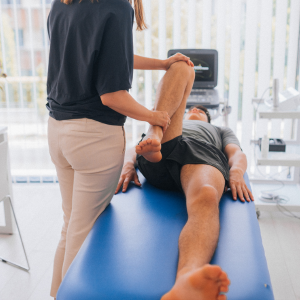
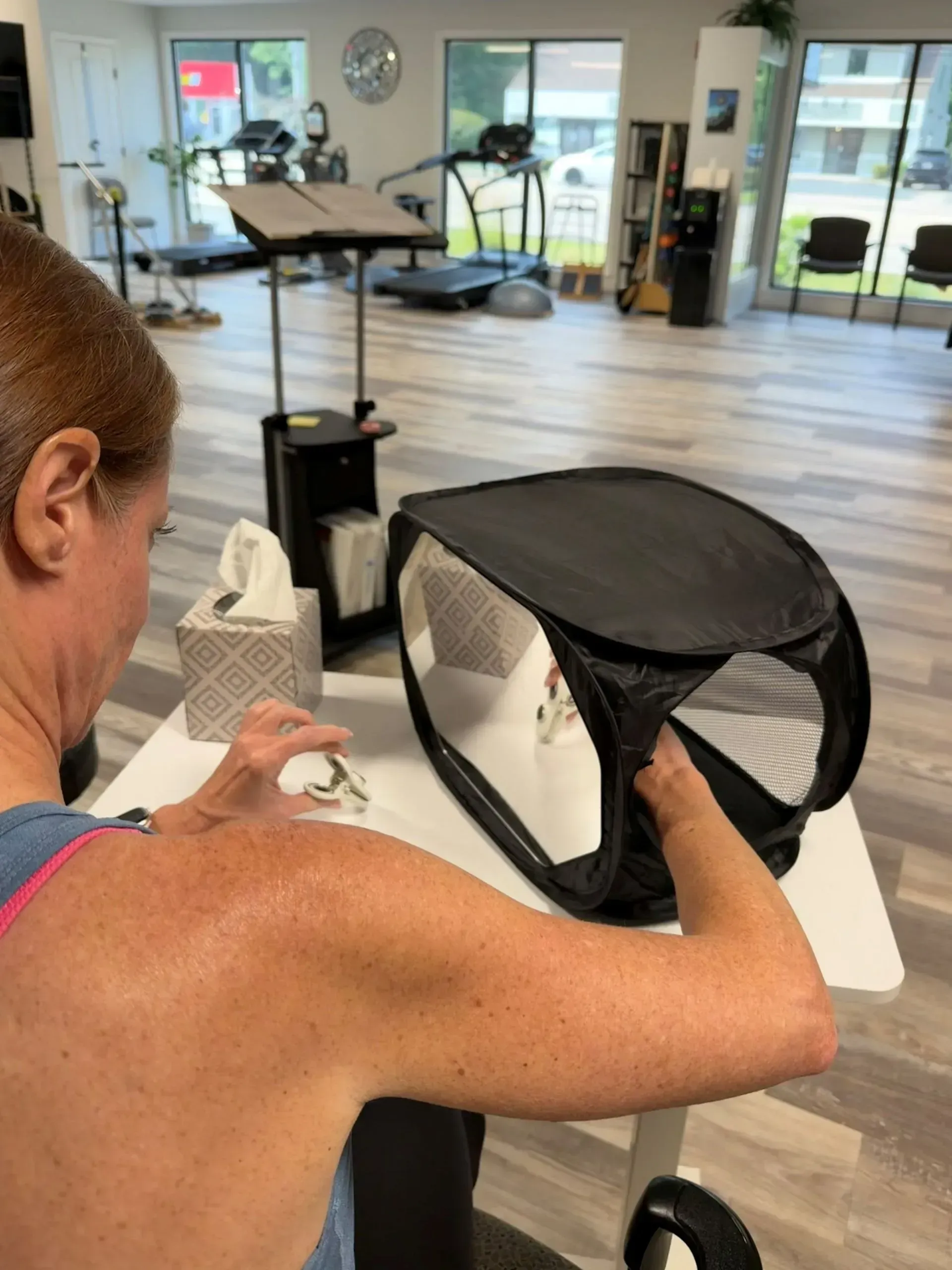
At Community Physical Therapy in Hanover, MA, dry needling is never a standalone procedure. It is integrated into a broader, individualized treatment program built around your specific goals and movement patterns. Using advanced movement analysis, your therapist identifies the precise muscles and structures contributing to your pain, then combines intramuscular stimulation with manual therapy, therapeutic exercise, and upper extremity stabilization as needed. Because you see the same highly experienced therapist at every visit, your plan is continuously refined based on your progress. This consistency is what separates our acupuncture-like therapy PT approach from high-volume clinics where care is fragmented across multiple providers.
Why Community Physical Therapy
A Therapist-Owned Practice Focused on Your Recovery
Community Physical Therapy was founded by clinicians, for patients. Dr. Sherlyn Fenton, Doctor of Occupational Therapy and Angelo Balsamo, Physical Therapist and the team bring a patient-first approach to every service we offer, including dry needling physical therapy. Our practice is therapist-owned, which means clinical decisions are made based on what is best for your recovery, not on volume or billing metrics. Located in Hanover, MA, we serve patients from across the South Shore who are ready to move past pain and reclaim their confidence. If you are ready to find out whether trigger point dry needling is right for you, schedule your evaluation today.
Your Questions Answered
Frequently Asked Questions About Dry Needling
Is dry needling the same as acupuncture?
Dry needling and acupuncture both use thin filament needles, but they are different practices with different goals. Acupuncture is rooted in traditional Chinese medicine and focuses on energy pathways. Dry needling, by contrast, is based on Western anatomy and neuroscience. At Community Physical Therapy, our therapists use myofascial dry needling to target specific trigger points in muscle tissue, aiming to release tension, restore blood flow, and reduce pain. The approach is clinical and evidence-informed, integrated directly into your physical therapy plan.Does dry needling hurt?
Most patients feel minimal discomfort during the procedure. When the needle reaches a trigger point, you may experience a brief local twitch response, which is a quick, involuntary muscle contraction. Some patients describe this as a brief cramping or aching sensation. This response is a normal part of the process and indicates the muscle is releasing tension. Any soreness afterward is typically mild and short-lived, similar to what you might feel after a deep tissue massage. Your therapist will walk you through what to expect before beginning treatment.What conditions can be treated with dry needling at Community Physical Therapy?
Our team uses trigger point dry needling to address a range of musculoskeletal conditions, including TMJ and jaw pain, tennis elbow (lateral epicondylitis), golfer's elbow (medial epicondylitis), carpal tunnel syndrome, neck pain, and back pain. It is particularly effective for patients dealing with chronic muscle tightness or referred pain that has not responded well to other treatments. Dry needling is always combined with manual therapy, therapeutic exercise, and other individualized techniques as part of a comprehensive treatment plan.How many sessions will I need before seeing results?
The number of sessions varies depending on your condition, how long you have had symptoms, and how your body responds to treatment. Some patients notice significant improvement after just a few sessions, while others with more complex or chronic conditions may benefit from a longer course of care. During your initial evaluation, your therapist will assess your specific situation and give you a realistic picture of what to expect. Because you see the same therapist at every visit, your plan is adjusted based on your ongoing progress.Is dry needling safe, and who should avoid it?
Dry needling is considered safe when performed by a trained physical therapist. At Community Physical Therapy, the technique is applied with clinical precision as part of a broader, supervised treatment plan. As with any intervention, there are some contraindications. Patients who are pregnant, have a bleeding disorder, are on certain blood-thinning medications, or have a fear of needles should discuss these factors with their therapist before proceeding. Your therapist will conduct a thorough evaluation to confirm that dry needling is appropriate for your individual health profile.

REVIEWS
Real Results from Real People in Hanover, MA