
Feel Steady, Safe, And Confident Again
Personalized vestibular rehabilitation helps reduce dizziness, improve balance, and lower your risk of falls through targeted therapy.
Vestibular Rehabilitation Therapy
Specialized Care for Dizziness and Balance Disorders
Balance problems rarely have a single, simple cause. Whether you are dealing with BPPV, vestibular dysfunction, neurological impairments, or a general fear of falling, our therapists take the time to understand what is driving your symptoms. Using advanced movement analysis alongside hands-on clinical assessment, we build a customized treatment plan that targets your specific deficits, not a generic protocol pulled off a shelf. Every session is one-on-one with the same experienced therapist, so your care evolves as you do.
How We Treat Vestibular Conditions
Proven Techniques for Dizziness Treatment and Fall Prevention
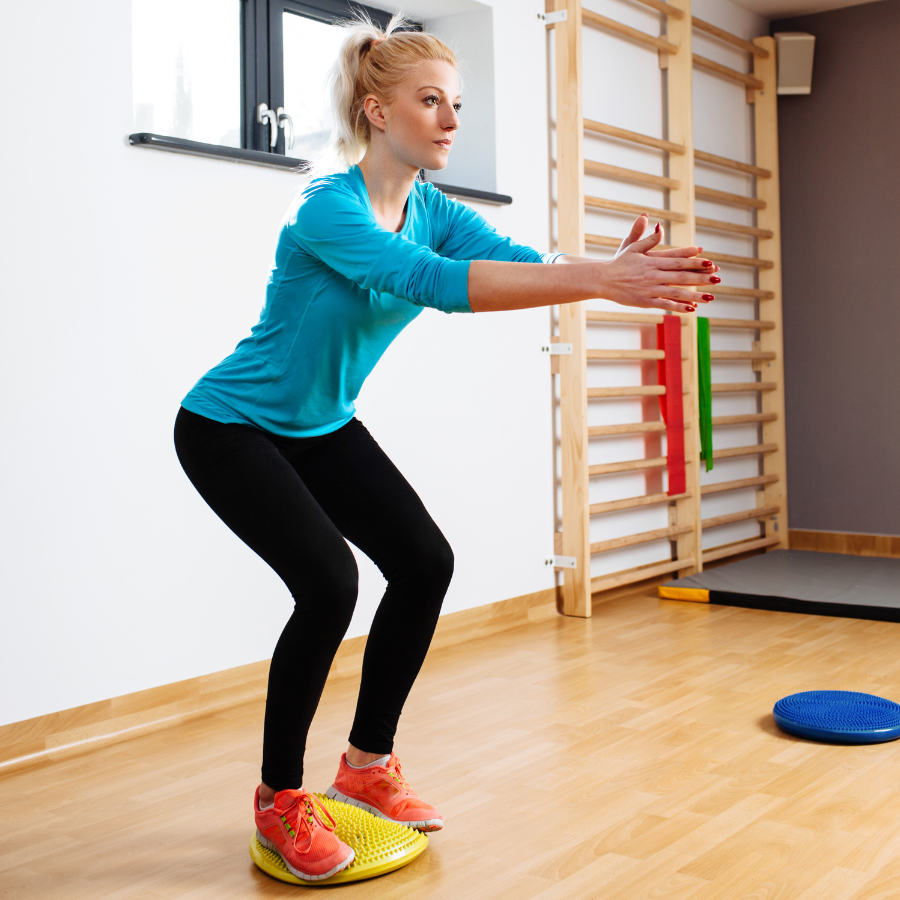
Our balance disorder rehabilitation program draws on a range of evidence-based modalities. For patients with BPPV, we perform the Epley maneuver and other canalith repositioning maneuvers to resolve inner-ear crystal displacement quickly and effectively. Gaze stabilization exercises help retrain the visual-vestibular connection so that head movement no longer triggers disorientation. For patients at risk of falling, we incorporate proprioceptive training using balance boards and foam pads to rebuild the body's natural sense of position and stability. Our integrated PT and OT approach also ensures that gains made in the clinic translate directly into safer, more independent daily living.
Why Patients Choose Us
Personal, Consistent Vestibular Rehabilitation in Hanover
Patients across Hanover and the South Shore trust us for vestibular rehabilitation therapy because we combine clinical expertise with a genuinely personal approach. You will see the same highly experienced therapist at every visit, which means no re-explaining your history and no gaps in your care plan. As a therapist-owned practice, our decisions are guided entirely by what is best for your recovery, not by volume targets. For many patients, fall prevention physical therapy and vestibular rehab offer a real, lower-risk alternative to medication or invasive procedures.
Your First Visit
What to Expect When You Start Balance Disorder Rehabilitation
Your first appointment begins with a thorough evaluation. We assess your gait, vestibular function, and proprioceptive responses to build a clear picture of where your balance system is breaking down. Using movement analysis, we identify compensatory patterns that may be contributing to your dizziness or instability. From there, your therapist designs an individualized treatment program with specific goals, whether that is resolving vertigo episodes, improving walking stability, or reducing your fall risk at home. You will leave your first visit with a clear plan and a real sense of what recovery looks like for you.
Common Questions
Balance Therapy FAQs
What conditions does balance and vestibular therapy treat?
Vestibular rehabilitation therapy is used to treat a range of conditions that affect your inner ear, brain, or overall sense of balance. Common diagnoses include Benign Paroxysmal Positional Vertigo (BPPV), vestibular dysfunction, neurological impairments such as those following a stroke, and general balance deficits that increase fall risk. If you experience dizziness when moving your head, feel unsteady on your feet, or have had a recent fall, a balance disorder rehabilitation program may be appropriate for you. Your therapist will evaluate your specific symptoms before recommending a course of treatment.How does the Epley maneuver work, and is it available at your clinic?
The Epley maneuver is a canalith repositioning technique used to treat BPPV. BPPV occurs when tiny calcium crystals in the inner ear become dislodged and move into the wrong canal, triggering brief but intense episodes of vertigo. The maneuver guides those crystals back to their correct position through a specific sequence of head and body movements performed by your therapist. Most patients notice significant improvement after just one or two sessions. Yes, this treatment is performed at our Community Physical Therapy clinic in Hanover, MA.How is fall prevention physical therapy different from standard physical therapy?
Fall prevention physical therapy focuses specifically on the systems that keep you upright and stable, including your vestibular system, vision, and proprioception. While standard physical therapy may address strength or range of motion after an injury, fall prevention programs use targeted tools like balance boards, foam pads, gaze stabilization exercises, and habituation training to rebuild the body's natural balance mechanisms. The goal is not just to reduce fall risk in the clinic but to make sure those improvements carry over into your home, yard, and daily activities.How many sessions will I need before I notice improvement?
The number of sessions varies depending on the cause and severity of your balance disorder. Patients with BPPV often respond quickly, sometimes within one to three visits following canalith repositioning. Vestibular dysfunction related to neurological conditions or chronic dizziness typically requires a longer course of care. Because every patient works one-on-one with the same therapist at every visit, your plan is continuously updated based on your progress. Your therapist will give you a realistic timeline during your initial evaluation after assessing your gait, vestibular function, and proprioceptive responses.Can balance therapy help if my dizziness is related to a neurological condition?
Yes. Our vestibular rehabilitation therapy program is designed to address balance disorders stemming from a variety of causes, including neurological impairments. Following a stroke or other neurological event, the brain's ability to process balance signals can be disrupted. Our therapists use habituation exercises, gaze stabilization, and proprioceptive training to help the nervous system adapt and compensate. The integrated PT and OT model at Community Physical Therapy also means we address functional independence alongside physical recovery, helping patients regain the ability to perform daily tasks safely.
REVIEWS
Real Results from Vestibular Rehabilitation Therapy